How do you hand off a grant portfolio when the grant manager leaves?
Turnover in the grants role is one of the most dangerous moments for a nonprofit's funding. Here is a handoff process that keeps deadlines, relationships, and history intact.
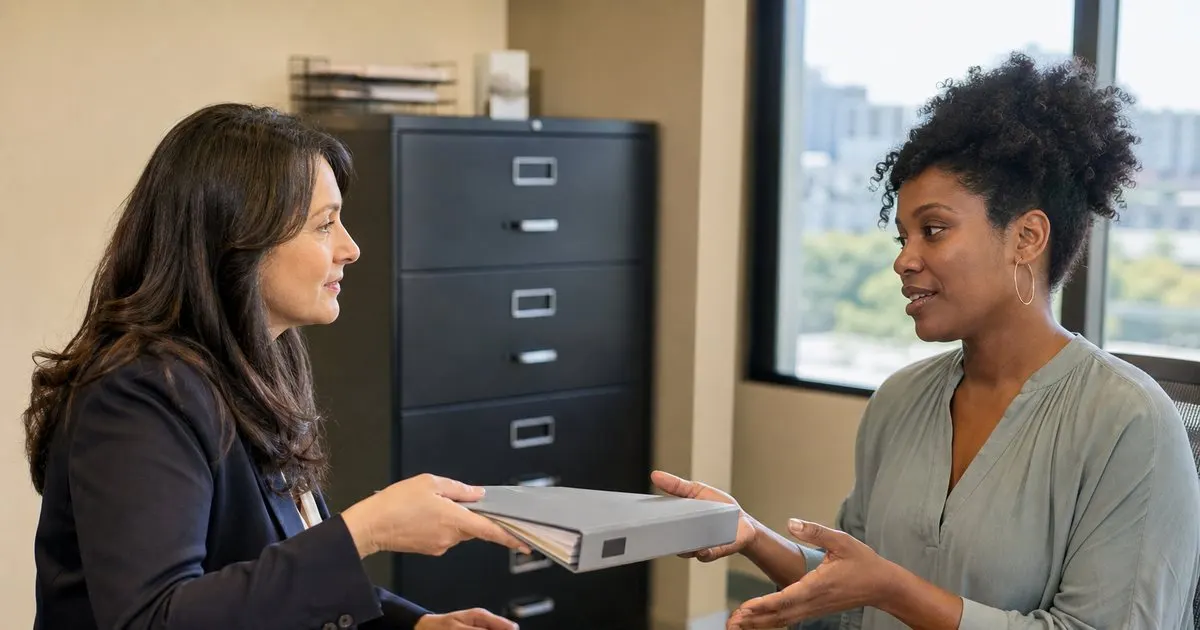
What actually walks out the door
When a grant manager leaves, the visible loss is the person. The real loss is everything that lived only in their head and inbox: which program officer prefers a call before a submission, why a particular funder declined two years ago, which reporting deadline is soft and which is strict, where the signed award letters are saved, and what was promised in the last progress report. Organizations often discover the size of that loss only when the next deadline arrives and nobody knows the portal password. Related: Why does assigning a clear owner to every grant application prevent last-minute scrambles?
The risk is highest in small nonprofits where the grant manager was also the writer, the reporter, the relationship holder, and the tracker. In that setup there is no natural backup, and the handoff has to reconstruct a full system rather than transfer a role. Accepting this early, ideally before anyone resigns, is the most useful mindset shift: the goal of a grants function is to be transferable, not heroic. Related: Why do nonprofits keep missing grant deadlines even when they have the funding lined up?
Keep reading: Why do nonprofits keep missing grant deadlines even when they have the funding lined up?, How should a nonprofit set up grant pipeline stages to track applications from start to finish?, Why does assigning a clear owner to every grant application prevent last-minute scrambles?. See how GrantWatchr helps you grant deadline tracking for nonprofits.
The two-week handoff checklist
Once notice is given, the first priority is deadlines. Sit down with the departing manager and produce a single list of every open application, every active award with its reporting dates, every renewal window, and every pending LOI or invitation. For each item, record the funder, the amount, the due date, the current status, where the working files live, and who else has touched it. This list is the handoff. Everything else supports it. Related: How can a grant team keep track of reporting deadlines after an award is received?
Second, access. Compile every portal login, every shared drive location, every funder database account, and every government registration, and move them to a shared, secure credential store owned by the organization rather than the individual. Change passwords where accounts are personal. Third, relationships. Ask the departing manager to send a brief introduction email to each active program officer naming the interim contact. That single step prevents months of awkward silence with funders who assume the organization has gone quiet.
Capturing the history, not just the calendar
Deadlines can be rebuilt from funder websites. History cannot. Schedule a few structured conversations with the departing manager focused on each major funder: how the relationship started, what has been submitted and declined, what the funder cares about, and any commitments made in reports or meetings. Record these as short notes attached to the funder record, not as a memo that will be lost in someone's email.
Also collect the reusable assets: the most recent versions of the organizational boilerplate, program descriptions, logic models, budget templates, and the standard attachments like the determination letter, board list, and audited financials. Verify where the canonical copy of each lives. A surprising amount of handoff pain comes from three versions of the same document in three folders with nobody sure which one was submitted.
Building a portfolio that survives the next departure
The best time to do a handoff is before it is needed. If your grant tracking lives in one person's spreadsheet or inbox, move it to a shared system now, with every deadline, owner, and status visible to at least one other person. Assign a backup for each active award, even if the backup only checks in monthly. Put funder notes in the funder record rather than in personal files. None of this requires special software, though it is the problem GrantWatchr was built around. Related: How should a nonprofit set up grant pipeline stages to track applications from start to finish?
When a new grant manager arrives, the handoff list becomes their onboarding plan. Walk them through the next ninety days of deadlines first, then the active awards, then the funder relationships in order of size. Encourage them to call each program officer within their first month, using the introduction email as the opening. A portfolio that has been handed off well should let a new hire submit their first report on time without ever having met their predecessor.
- The costly loss in grant turnover is undocumented history and access, not the deadlines themselves.
- Start the handoff with a single list of every open application, award, report, and renewal with status and file locations.
- Move all logins to an organizational credential store and have the departing manager introduce the interim contact to funders.
- Prevent the next crisis by keeping tracking, notes, and files in shared systems with a named backup per award.

Julien Jimenez
Julien Jimenez is an independent software builder based in Paris. He designs, ships, and operates focused SaaS products for small businesses and independent professionals. Read the full author page.
Never Miss A Grant Deadline
Grant deadline tracking for nonprofits. GrantWatchr is built to help you put this into practice.
Start free trialMore from the GrantWatchr blog



Get the GrantWatchr playbook
Practical guides on grant management, straight to your inbox as we publish them. No spam, unsubscribe any time.