
Grant Management
Why do nonprofits keep missing grant deadlines even when they have the funding lined up?
The organizational blind spots that let winnable grants slip away.
Practical, honest advice from the team behind GrantWatchr, written to help you do this well.
The organizational blind spots that let winnable grants slip away.

Designing stages that reflect how grants actually move through your team.

How ownership turns a shared responsibility into an actual one.

Why post-award reporting deserves the same rigor as applications.

A framework for spending limited grant-writing time where it pays off.

The team dynamics that shift once everyone shares one view.
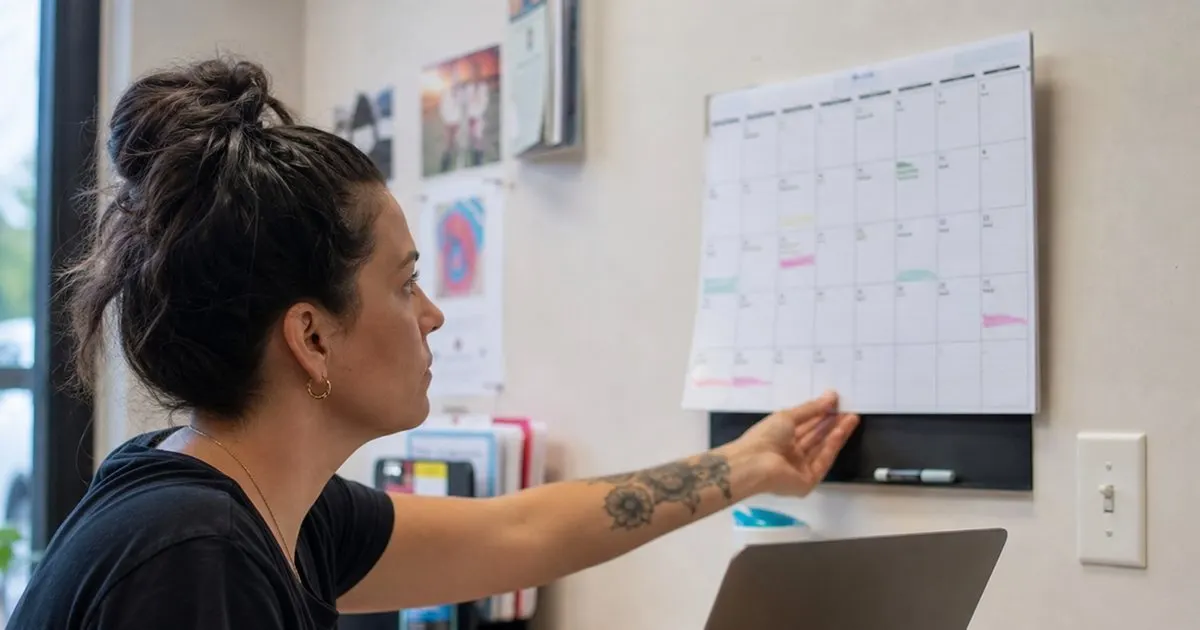
Comparing the humble spreadsheet to a purpose-built deadline system.

Keeping directors informed with a glance instead of a lengthy summary.

Scaling from a few grants to many while keeping everything under control.

Renewals feel easy until they are late. Here is a realistic timeline for when to start, what to gather, and how to keep a repeat funder from becoming a surprise.

A letter of intent is a screening step, not a warm-up. Here is how to treat the LOI as its own deadline, write it tight, and set up the full proposal to follow.

The right buffer depends on the funder, the submission method, and who has to sign. Here is how to set internal deadlines that hold up under real conditions.

The writing is done, and then the portal eats two days. Here is what actually happens inside grant portals and how to plan for it instead of being surprised.

Turnover in the grants role is one of the most dangerous moments for a nonprofit's funding. Here is a handoff process that keeps deadlines, relationships, and history intact.
A decline is information, not a verdict. Here is how to respond, what to ask, what to record, and how to decide whether to try again.

Most grant applications ask for the same dozen attachments. A maintained library turns a week of scrambling into an afternoon of assembling.

A contract writer can multiply your capacity or create a new source of missed deadlines. The difference is almost entirely in how the work is scoped and tracked.

Grant deadlines cluster. Mapping the whole year at once, and at the right moment, is the only reliable way to stop three proposals landing in the same week.

Match and cost share requirements disqualify more applications than weak programs do. Here is how to read the requirement, close the gap honestly, and track the match after you win.

Program teams are rarely unresponsive on purpose. The request usually arrives late, vague, and in their busiest week. Here is how to make it easy to answer and easy to reuse.